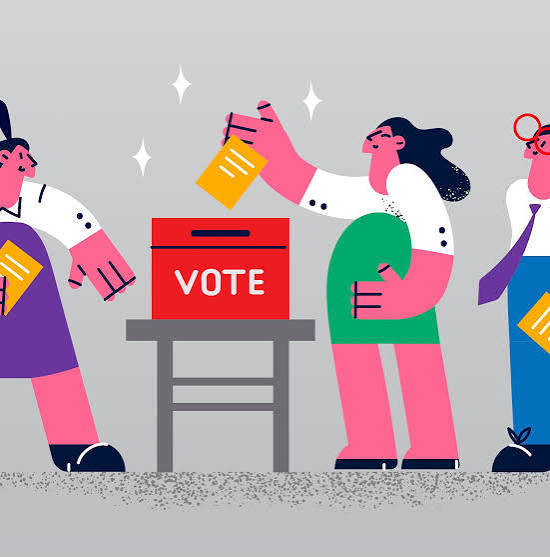
The big day looms, Tuesday, when America votes large to air its grievances and aspires to a government truly of and for the people—a quest that perpetually founders on the chicanery of politics, its lies and banalities.
Still, America must hope for something better than the self-absorption of a narcissistic president, devoid of any semblance of morality, corrupt, deviant, belligerent, obsequious to power brokers like Putin and Xi, treacherous and demeaning, unfit in myriad ways for the nation’s highest office. Americans must rightfully vote for a better America.
Yet danger lurks in new populists advocating utopian schemes that have been tried elsewhere and found wanting. We would do better to avoid the peripheries and sail a middle course between Scylla and Charybdis.
In recent days, I’ve been reading the later essays of David Foster Wallace, remarkable for their forthright honesty, cerebral brilliance, and relentless probing in pursuit of truth. This morning, I encountered a passage that hits the solar plexus:
“What is ‘an American’? Do we have something important in common, as Americans, or is it just that we all happen to live inside the same boundaries and so have to obey the same laws? How exactly is America different from other countries? Is there really something unique about it? What does that uniqueness entail? We talk a lot about our special rights and freedoms, but are there also special responsibilities that come with being an American? If so, responsibilities to whom?”
—David Foster Wallace, “Joseph Frank’s Dostoevsky”
It isn’t enough simply to vote, particularly if we do so mindlessly. We must weigh the candidates carefully, examine their platforms, and discern manipulative rhetoric from the patient wisdom that might heal and restore America’s promise.
Sincerely,
RJ