In a story largely ignored by the American press, armed militants attacked a ranger station in the Democratic Republic of Congo’s Upemba National Park on March 3, 2026, killing five rangers and looting and destroying infrastructure.
The attackers remain unidentified but may be linked to Mai-Mai or Bakata Katanga militias, which have historically used Upemba and other parks as hideouts.
Britain’s Prince William, an ardent conservationist active in organizations such as United for Wikdlife, issued a statement lamenting their deaths: “Environmental protection has become one of the most dangerous jobs on the planet.”
According to the Game Rangers Association of Africa and the International Ranger Federation, at least 630 rangers have been killed protecting wildlife and protected areas since 2011, including 200 in the Congo’s sprawling Virunga National Park alone, home to one-third of Africa’s endangered mountain gorillas.
Beyond poaching and militia attacks, Africa’s wildlife faces ongoing threats from illegal mining, oil exploration, and agriculture incursion.
Adjacent human populations also place enormous pressure on parks: many rely on charcoal and bushmeat, and some establish homesteads within protected areas.
Ranger deaths in Africa average 47–60 annually. Just between June 2024 and May 2025, 67 rangers were killed. Despite their sacrifices in protecting forests, wildlife, watersheds, and ecosystems on which millions depend, these defenders rarely receive the recognition afforded to soldiers, police, or firefighters.
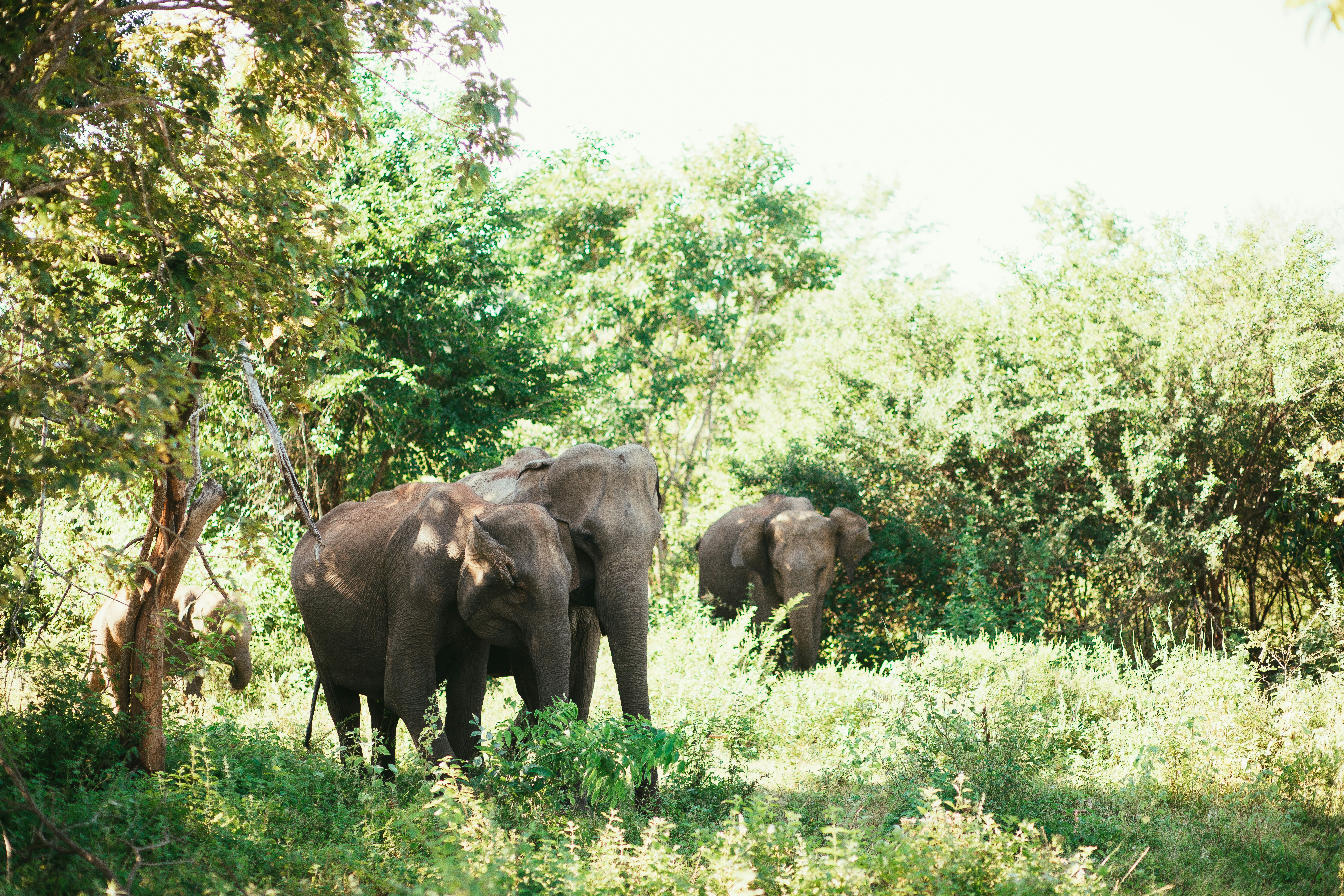
The fate of Africa’s wildlife is dire. Upemba, established in 1939 and covering over 11,000 km² of wetlands, savannas, and mountains, is home to an estimated 1,800 species. Once teeming with 100,000 elephants in the 1950s, fewer than 200 remain today. Of the once-thriving zebra population, only 200 survive in Africa’s only park offering refuge for zebras. Its lion population, once flourishing, is now extinct.
Climate change further exacerbates these threats, disrupting weather patterns and causing long-term droughts.
Rapid population growth—Africa’s net population increase averages 2.5% annually, with Nigeria projected to reach 750 million by century’s end—intensifies competition for natural resources.
Meanwhile, poverty, especially in rural areas, continues to rise. Some countries, including Zimbabwe and Angola, have recently implemented reductions of wildlife herds to feed growing populations.
Addressing this complex dilemma requires holistic solutions. Key measures include:
• Financing protective strategies, including international support, especially given climate change’s role in ecosystem stress.
• Expanding access to birth control and reproductive health services, countering population pressures.
• Establishing community-based conservation councils and alternative livelihoods like eco-tourism.
• Protecting species through migration corridors, no-entry zones, and crop-compensation programs.
• Employing satellite and monitoring technology to track poaching and militia activity.
• Restoring degraded habitats and prevent illegal settlement and mining through government-NGO partnerships.
• Strengthening ranger capacity with training, equipment, and fair compensation.
The five rangers killed in Upemba on March 3 died in a park most of the world has never heard of
While Africa’s wildlife, forests, and watersheds are under siege, the greater tragedy may be how little attention this struggle receives beyond the continent itself. In remote parks like Upemba, rangers patrol landscapes larger than some countries, confronting militias and poachers with little recognition and fewer resources.
They stand, quite literally, as the last line between survival and disappearance. If the world continues to look away, the elephants, zebras, and forests of Upemba may vanish—and the quiet heroism of the men and women who died defending them will have been in vain.
–RJ
 Brimmings: up from the well