
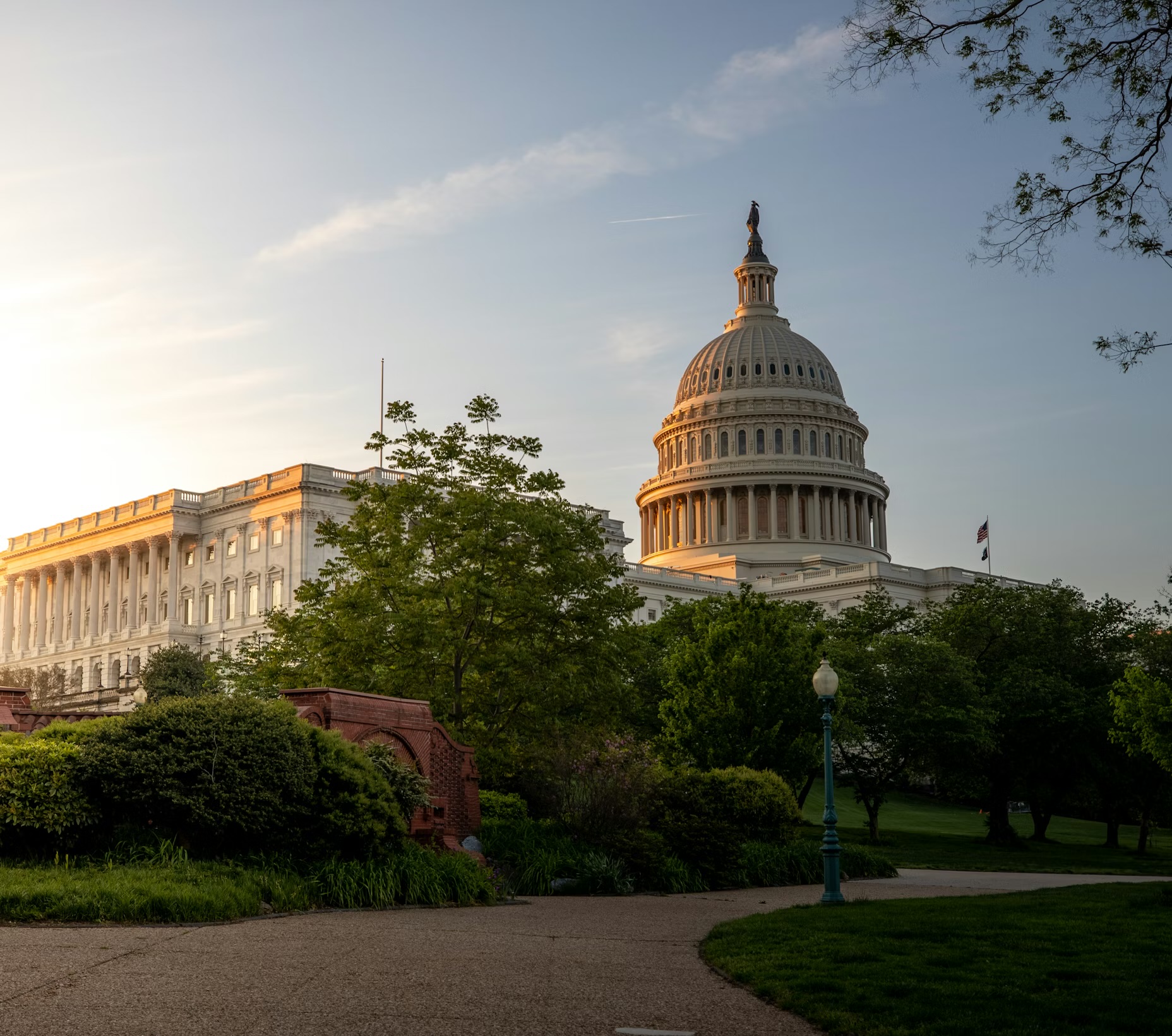
In moments of political outrage, we often hear that some “moral compact” has been broken between the government and the people, as though public life rests on an understood promise of honesty and good faith. It is a comforting idea. It’s also, I think, a naïve one.
The record we inherit suggests otherwise. Bill Clinton misled the public under oath. John F. Kennedy and Lyndon B. Johnson deepened American involvement in the Vietnam War under a widening credibility gap. Franklin D. Roosevelt withheld the full truth of his condition from the electorate. These are not anomalies. They are reminders.
None of this excuses Donald Trump, whose conduct stands as an extreme case in its brazenness. But it does suggest that the deeper problem is not the breaking of a compact, but our belief that such a compact has ever governed political life in more than name.
Niccolò Machiavelli understood that those who govern must often act against truth while preserving its appearance. Thomas Hobbes argued that we submit to authority not because it is virtuous, but because it is necessary. Between them, the so-called compact begins to look less like a foundation than a useful fiction, one that steadies public faith even as it obscures political reality.
If that is so, then the question is not how to restore a moral politics, but how much of our moral life we should ever have entrusted to politics in the first place.
Here Henry David Thoreau offers a necessary restraint: that government is best which governs least, not because it is especially good, but because it is always liable to be otherwise.
And Wendell Berry reminds us, more quietly, that the work of responsibility does not belong first to governments at all, but to persons, living within limits, bound to places, accountable to one another in ways no distant authority can finally secure.
We have asked too much of politics, and in doing so, we have misunderstood it.
Power does not keep faith; it manages necessity. It persuades, it conceals, it endures. It cannot bear the weight of the moral order we would like to rest upon it.
That burden remains where it has always been—closer to home.
Not in the abstractions of the state, nor in the promises of those who govern, but in the small, stubborn practices of truthfulness and care: in what we say, what we refuse to say, what we permit, and what we will not.
If there is any compact worth defending, it is not the one we imagine between ourselves and power. It is the one we keep, or fail to keep, with one another.
—RJ
 Brimmings: up from the well