
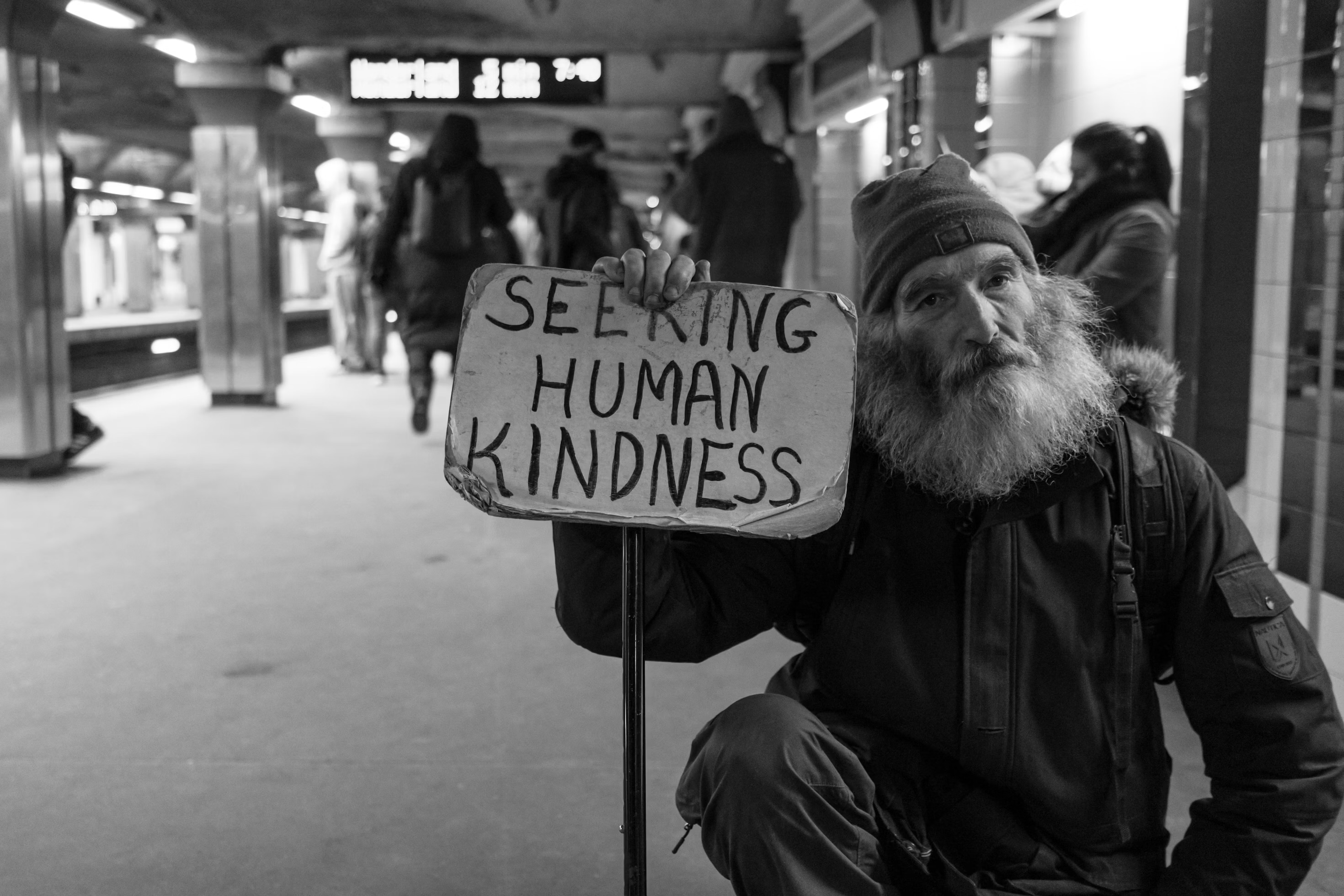
Anger has become one of the easiest responses to modern life.
What troubles me most is not anger itself, but how easily my emotions can be manipulated—by discourtesy, by noise, by global politics, by the ambient insensitivity of others. That reactive state isn’t who I really am, yet it’s one I’m repeatedly invited into.
I want to be kind, not reactionary; deliberate, not pushed into negativity. I want to remain self-governing. As Marcus Aurelius put it, “Be tolerant with others and strict with yourself.”
Years ago, I came upon a short piece in Reader’s Digest titled “Do I Act or React?” I read it at exactly the right moment. Why should a discourteous store employee spoil my day? Or a waiter serving me something I never ordered? Or a driver that cuts me off?
These moments are trivial in isolation, yet corrosive in accumulation. As the Stoic writer Ryan Holiday reminds us, “Jerks abound everywhere. That’s their business, not yours.”
My wife once shared an encounter she had with a rude bank teller. Instead of meeting rudeness with rudeness, she simply said, “I hope your day gets better.” It was disarming—not passive, not superior, just humane. Too often, we carry our moods like open containers, spilling them onto others without noticing.
The distinguished novelist and essayist George Saunders suggests that literature can help us cultivate tolerance—not all at once, but incrementally, and therefore cumulatively. A practicing Buddhist, Saunders believes that reading fiction trains us in three essential truths:
You’re not permanent.
You’re not the most important thing.
You’re not separate.
Literature slows judgment. It places us inside other consciousnesses. It rehearses moral humility. In doing so, it loosens the grip of the ego—the very thing that insists on being offended.
Kindness, after all, isn’t mere niceness, which can look away from cruelty. Kindness sees clearly. It chooses understanding over reflex, restraint over retaliation.
So many of our perceived hurts come down to our desire to control others: their tone, their behavior, their awareness of us. When that control fails—as it inevitably does—we suffer. The antidote is not indifference, but proportion. We need to take ourselves less seriously.
Saunders doesn’t offer a list of recommended books, though he has often spoken admiringly of Grace Paley.
I return often to Marcus Aurelius’ Meditations, a slender volume that rewards endless rereading.
One line, in particular, feels endlessly applicable:
“Is a world without shameless people possible? No. So this person you’ve just met is one of them. Get over it.”
Not resignation—clarity. Not bitterness—freedom.
 Brimmings: up from the well